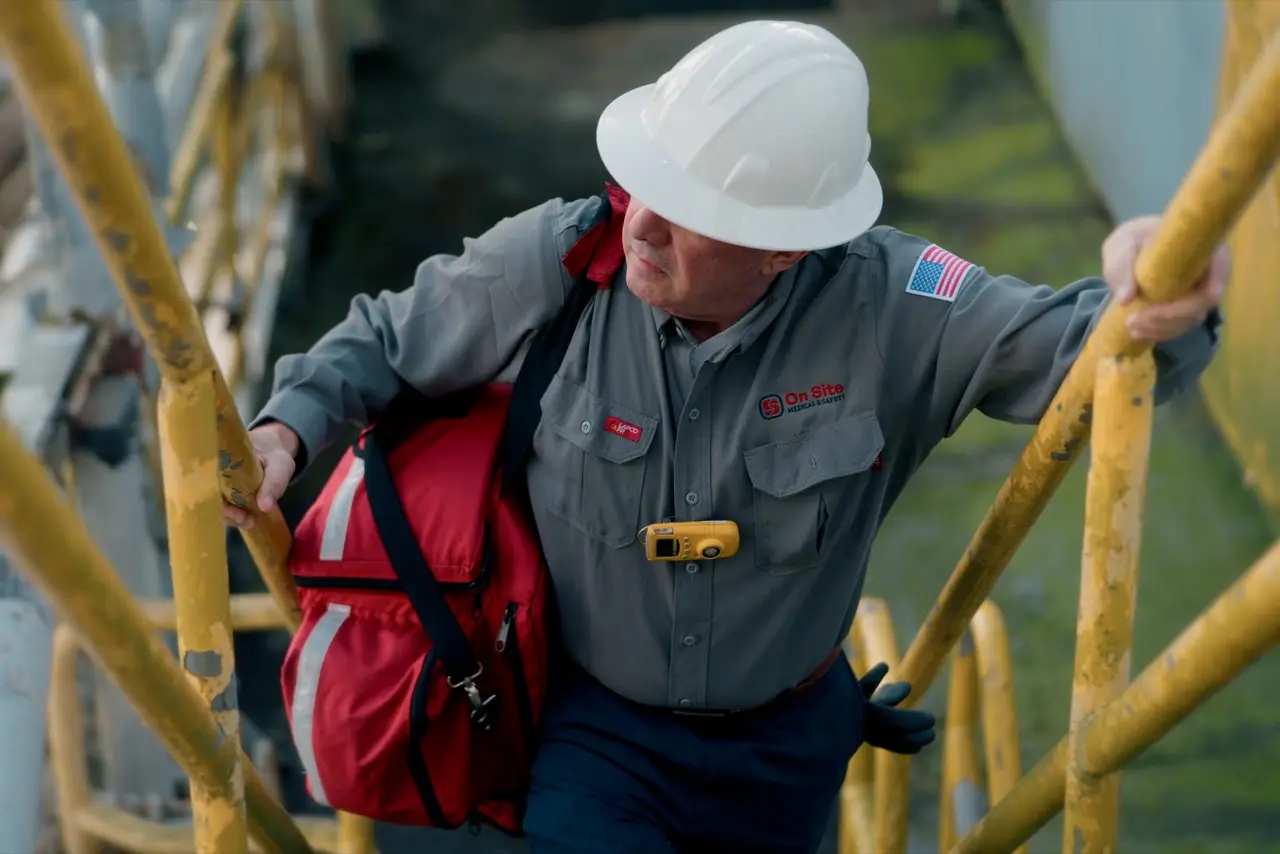
Rig crews and other offshore energy workers often struggle to get prompt, adequate medical care compared to their onshore counterparts. Many modern extraction and maintenance installations are hundreds of miles from a proper hospital or care center.
What healthcare solutions are there for offshore workers? A customized blend of remote medics and accessible telehealth services.
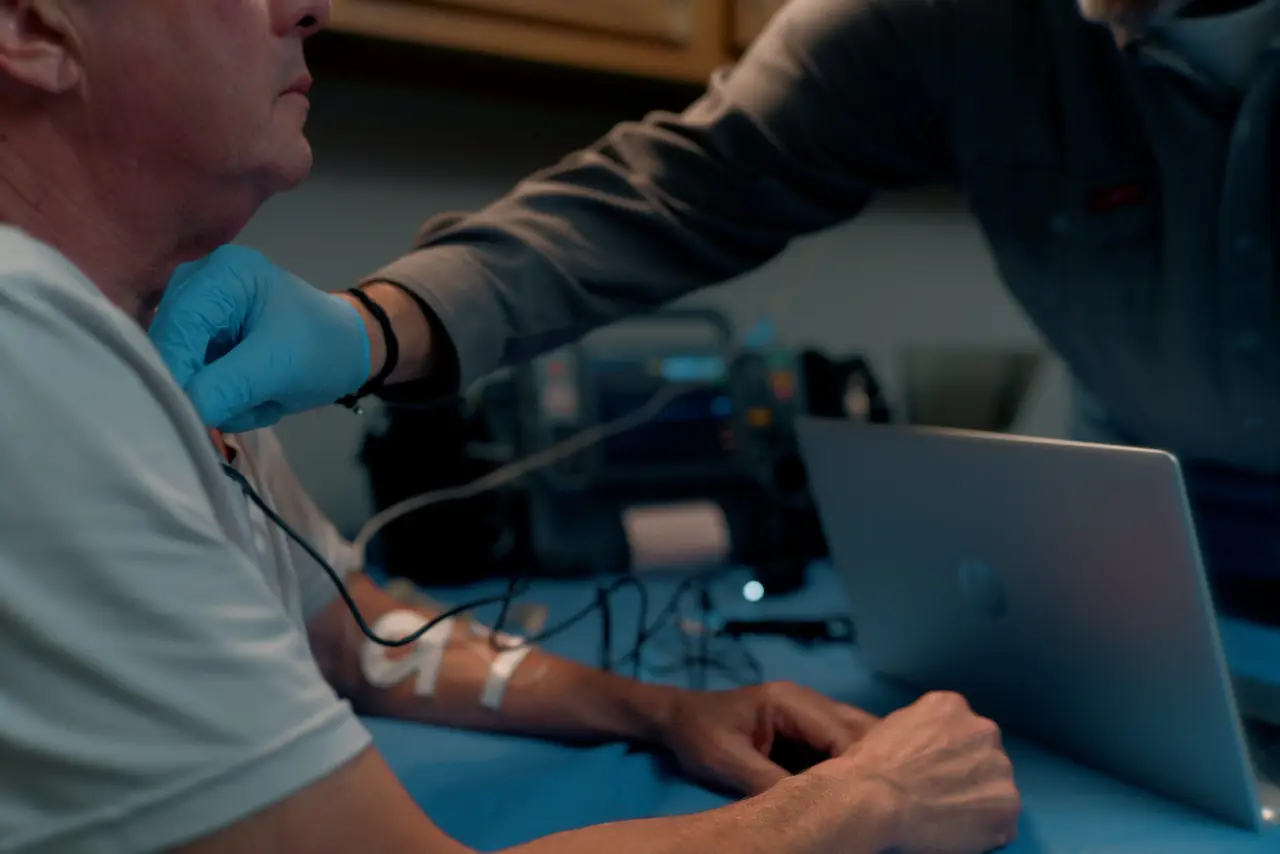
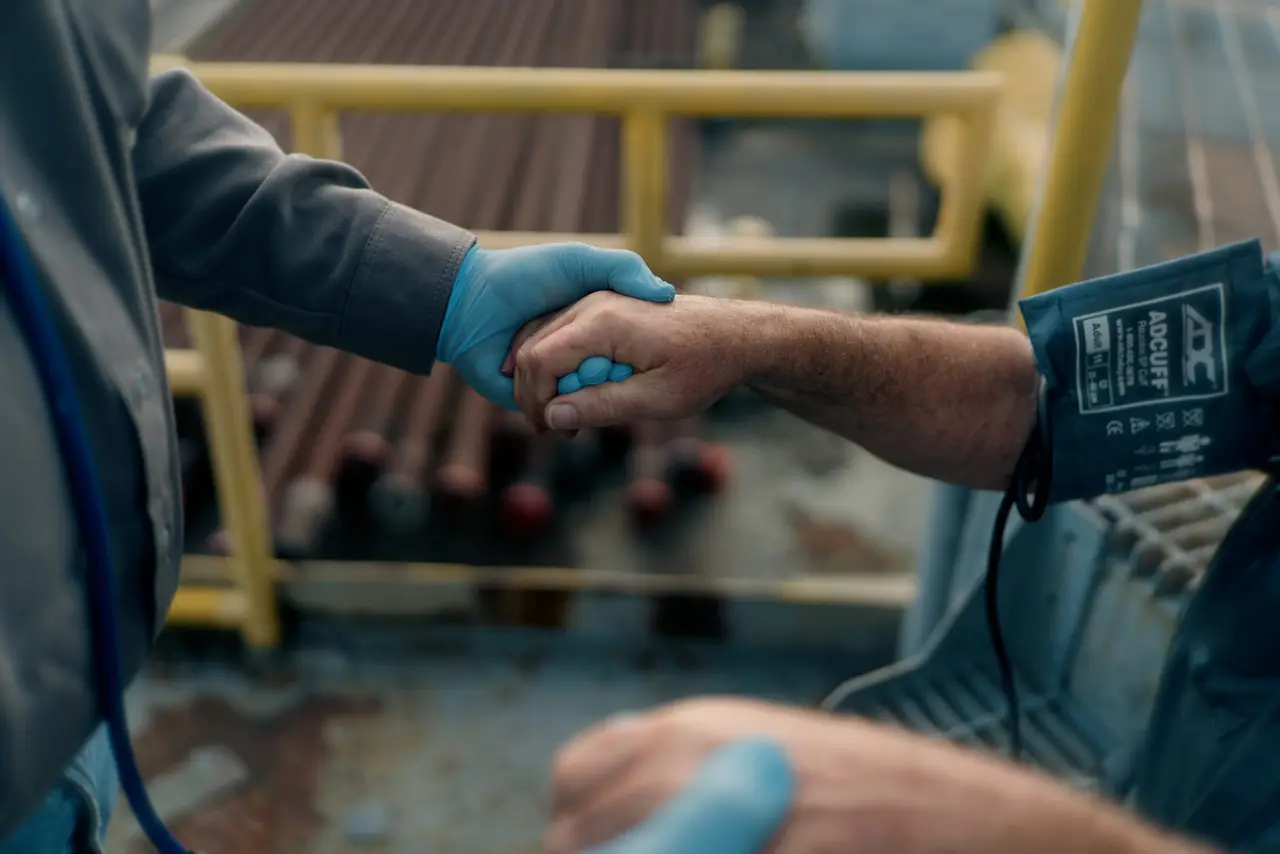
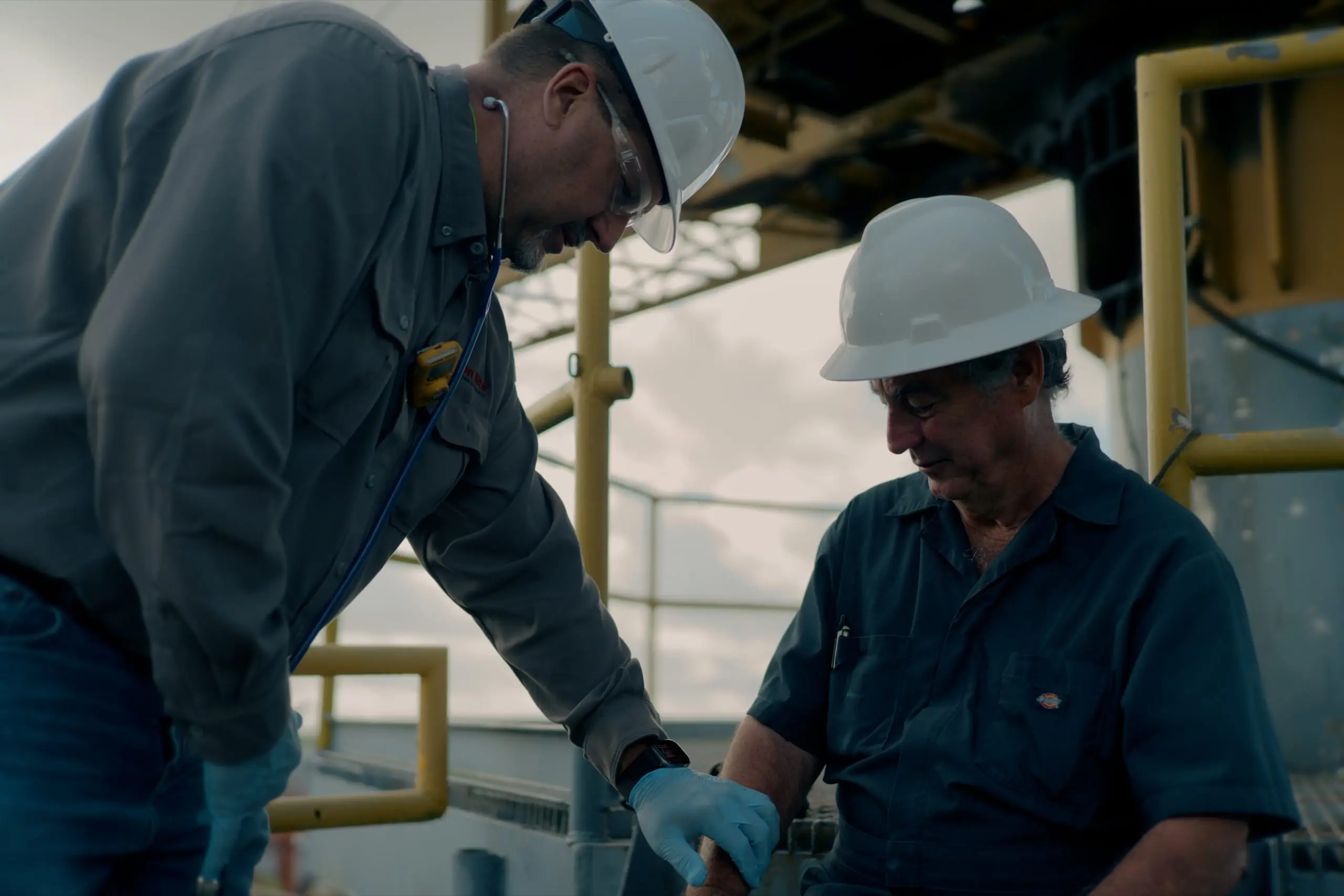
Due to the health and hazard risks of oil and gas work, workers need access to professional on-site medical care. Sometimes storms and other unfavorable conditions prevent evacuation — and paramedics provide life-saving, stabilizing treatment even when patients can't be evacuated.
On the other hand, remote medics also treat mundane ailments. Having a professional on board who is qualified to treat these smaller issues translates to greater efficiency, cost savings, and — most importantly — a healthy workforce.
Below, we explore the most common offshore injuries, risks, and health conditions medics expect to face.
The Six Most Common Offshore Ailments Remote Medics Treat
1. Overexertion and Fatigue
According to the Bureau of Labor Statistics, overexertion and bodily reaction are among the leading causes of injuries for natural resources and mining workers.
Even though most rig operations are automated or machine-assisted, workers often face demanding daily physical labor. This creates opportunities for sprains, strains, or bone injuries. Repetitive stress injuries can cause long-term health issues and are common in offshore environments.
Remote medics may recommend that the employee rest for a few days, or they may identify the signs of internal bleeding, infection, or other emerging developments that require emergency intervention.
General fatigue is also an issue offshore, and it can have serious, lasting consequences if left unaddressed. OSHA notes the impact of shift work on oil and gas extraction workers. Fatigue isn't about just one tired person — it's a health and safety risk for everyone.
2. Slips, Trips, and Falls
Across all injuries, slips, trips, and falls are some of the most prevalent workers face — and offshore platforms present even more opportunities for them.
From elevated platforms to ladders to slippery surfaces, the offshore environment is rife with opportunities for accidents if workers aren't careful.
3. Personal Injuries
The term "personal injury" is among the broadest in the medical field, encompassing nearly any damage to a person's body not caused by disease.
Workers in many occupations commonly sustain minor injuries, so medics are often tasked with helping them dress and treat wounds to prevent infection. Like overexertion, seemingly minor personal injuries can still have serious health implications if they aren't properly assessed and managed.
4. Hazardous Chemical Exposure and Respiratory Distress
Oil and gas workers are exposed daily to various chemicals resulting from drilling and processing. This is a perfect example of the overlap between safety and health: to reduce health issues, it's valuable to ensure proper safety precautions.
Preventative safety measures like personal protective equipment can greatly reduce chemical-exposure concerns. Often, inhaled exposure leads to breathing distress.
Respiratory distress is a common ailment in most populations. Workers exposed to noxious fumes or allergens can develop life-threatening respiratory issues at an alarming rate, and viral and bacterial infections — from the common cold to tuberculosis — can also produce these symptoms. Workers should seek attention for breathing trouble as soon as possible.
5. Mental and Emotional Health Concerns
While remote medics and emergency health personnel typically focus on threats to a person's physical health, they also must be ready to manage mental and emotional concerns.
Workers who spend weeks or months at a time in remote locations can struggle to adapt to their workplace. Some may also suffer from unknown or untreated mental health conditions that can place them and their coworkers at risk.
6. Post-Stroke and Heart Attack Care
Heart attacks and strokes can strike with virtually no warning, and can affect people of all ages — not just aging adults.
Modern medical science has improved the likelihood of surviving these events, but only with prompt intervention from professional specialists. Since most remote installations aren't equipped to provide comprehensive cardiovascular care, remote medics focus on damage management and keeping the patient stable while they wait for evacuation.
Getting Trusted Help
Remote medic services may not be the same as bedside care in a hospital, but they can make all the difference in life-or-death situations.
As a provider of comprehensive, specialized remote medical services for the energy industry, On Site Medical & Safety takes pride in our commitment to responsive, effective, and flexible solutions. We believe there's no substitute for skill and training when lives are at stake. From planning to execution, we constantly assess every stage of our service process to ensure value for our clients and effective health solutions for their employees.
To learn more about the services On Site can provide for your organization, contact us today.