Understanding, Predicting, and Preventing Recordable Incidents
When a recordable incident occurs, your business needs to be prepared to navigate the complex process of facilitating a successful return-to-work plan from start to finish. Better still, proactive safety strategies prevent incidents from happening in the first place.
Here, we explore proactive safety strategies that allow safety managers to understand, predict, and help prevent incidents.
Understanding Incidents
"Incidents" vs. "Recordable Incidents"
OSHA broadly defines an incident as "a safety or health event with unwanted consequences." Some injuries may not qualify as recordable if treated promptly and properly on site by qualified professionals — whereas if that same injured person went to the hospital, it could quickly become a recordable injury.
Routine safety audits address non-recordable incidents, but recordable incidents must be logged and investigated — and the most severe (a fatality, in-patient hospitalization, amputation, or loss of an eye) must be reported to OSHA and can trigger an inspection. Recordables can raise a company's mod rate, which in turn raises its insurance premiums.
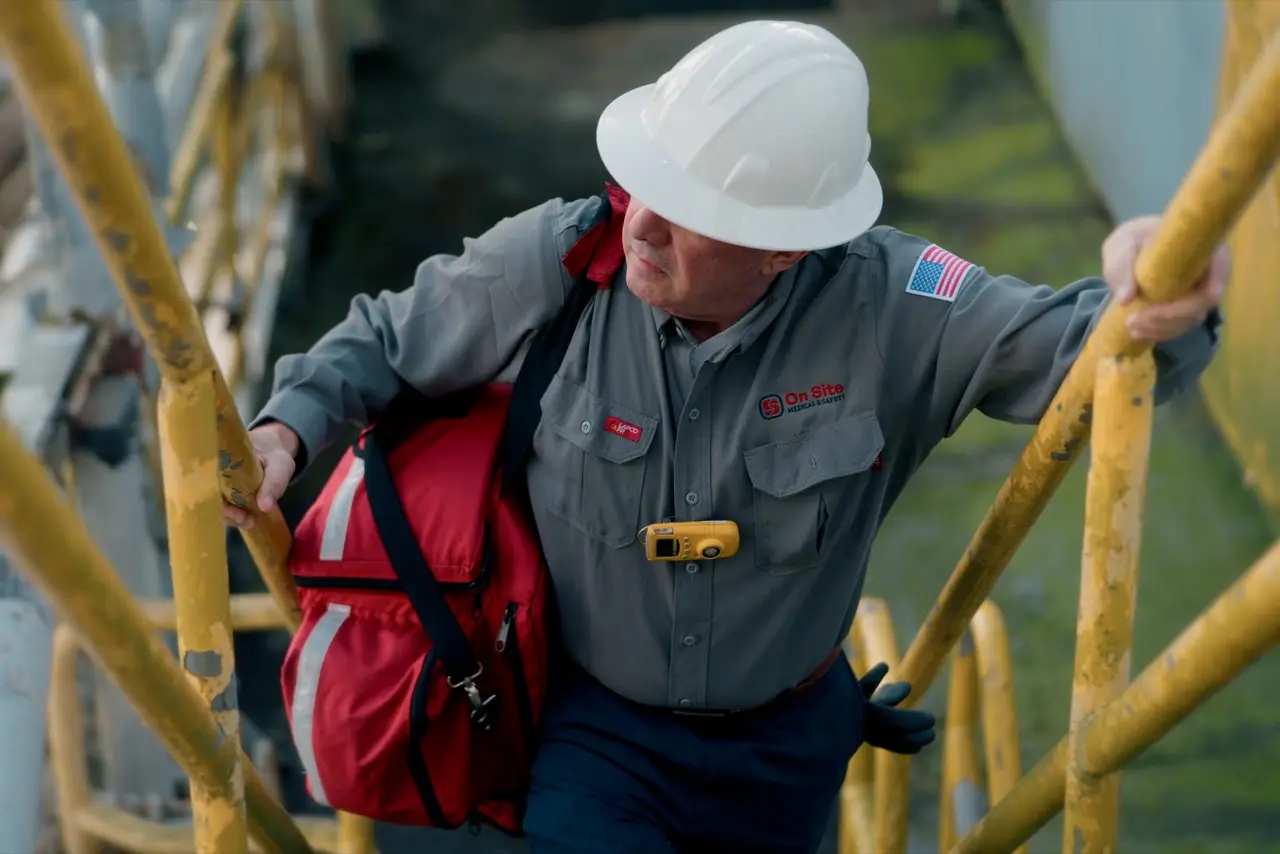
That's why it's essential to have qualified safety and medical personnel on site. On Site Medical & Safety provides highly trained, certified safety and medical professionals, EMTs, and paramedics to reduce recordable injuries. As the saying goes, an ounce of prevention is worth a pound of cure.
How and When Incidents Happen
Incidents can happen for many reasons. For example, staff may perform tasks the way they have always been done, even if that's not the most effective or safest method.
Having an experienced third-party consultant perform a safety audit helps assess your current procedures and provides an objective evaluation — ensuring your policies are followed internally and adhere to industry compliance regulations. The goal is to gather information about safety risks and then deliver a comprehensive corrective strategy.
Predicting: Tools for Identifying Hazards
You may not be psychic, but with the proper tools and resources, you can reliably predict potential workplace hazards.
- A fresh set of eyes. On-site safety technicians or in-house HSE consultants should be specially trained to address your unique industry and project needs.
- Near-miss reporting systems. Recording near-misses is vital. By investigating what almost happened, safety managers can prevent injuries and recordables from occurring the same way.
- Loss-control trend data. Turning available data into actionable items is essential. Our team can identify accident-prone areas, investigate why, and develop a corrective-action strategy to eliminate the risk.
Preventing: Taking Action to Prevent Harm
Prevention is the last — and most important — step in keeping your safety programs effective.
- Ensure proper utilization of programs designed to prevent accidents, including safety and environmental management programs, process safety management, and spill prevention control and countermeasures.
- Use thorough accident investigation reports to identify hazards before they cause another, potentially worse, accident.
- Implement the corrective actions uncovered during a safety audit.
If an Accident Does Occur
On Site Medical & Safety's team of highly trained safety and medical personnel helps ensure injured persons are properly cared for from start to finish. We offer turnkey case management services to assist with everything from the incident to return to work, helping control costs and minimize downtime.
The Total Care Process
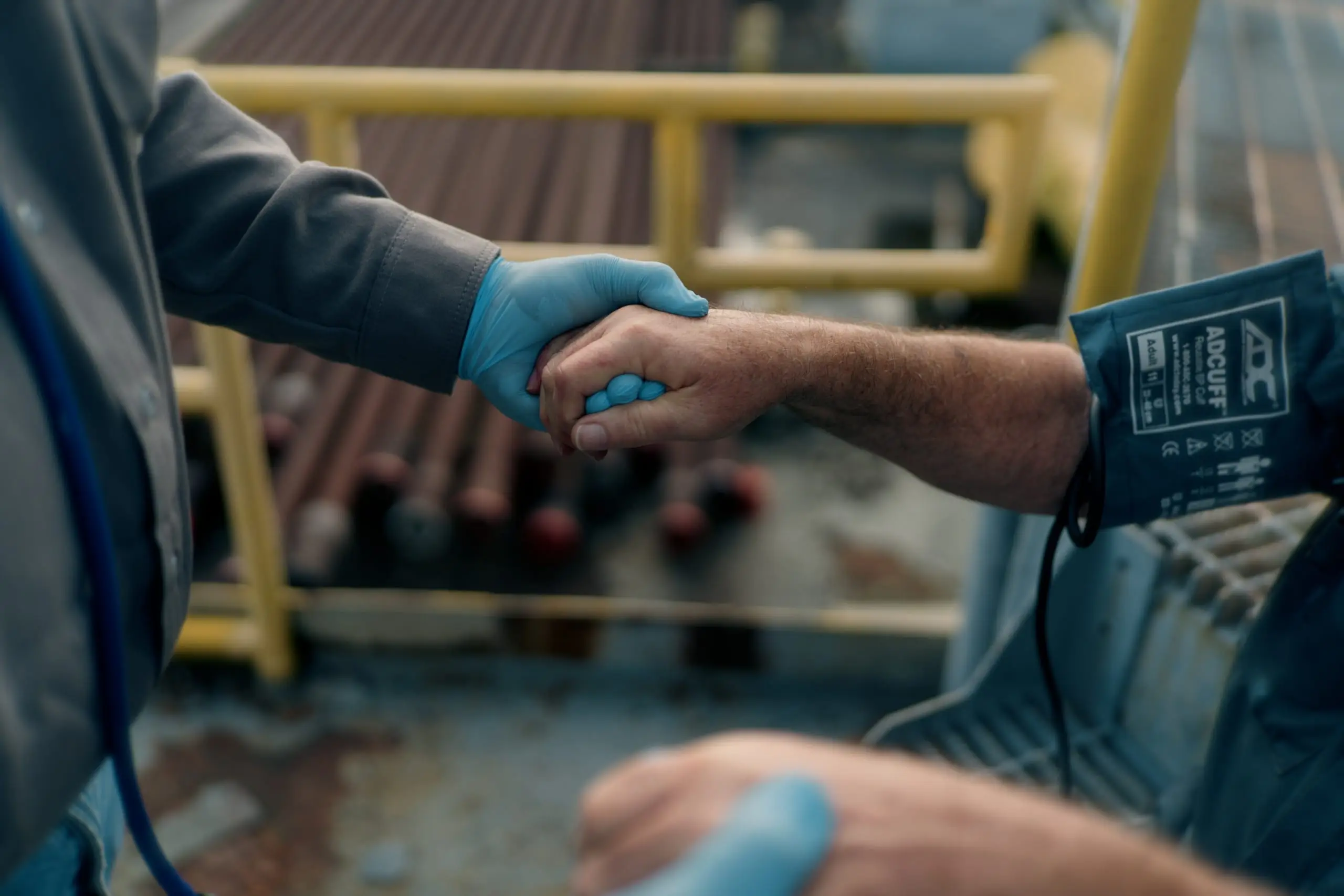
Having the right medical provider and topside support is critical in reducing the chance of a recordable incident. If an employee is injured, a medical professional assesses and provides life-saving care with topside guidance as needed. The patient may be evacuated if the injury requires extensive treatment — and our network of approved clinics and guaranteed upfront payment program ensure patients receive high-quality care right away. After initial treatment, we handle repatriation to the worksite or the employee's home, then build a recovery plan through our Occupational and Clinical Medicine programs.
Learn From Incidents and Secure Your Worksite
After an accident, safety professionals investigate, determine what went wrong, and plan corrective actions. Without collaboration between health and safety professionals, companies risk repeat offenses.
Reduce your injury rate, improve your safety plans, and become prepared with On Site Medical & Safety. Contact us today to learn how we can be your full-service safety partner.